Thailand, a jewel of Southeast Asia, dazzles visitors with its pristine beaches, mouthwatering cuisine, and vibrant culture. It’s no wonder it’s a favorite destination for travelers worldwide. However, like many popular tourist spots, it’s not immune to scams that can turn a dream vacation into a nightmare. To help you navigate Thailand’s enchanting streets and markets safely, we’ve compiled a list of the top 10 scams you should watch out for.
1. The Dazzling Gemstone Scam
Picture this: You’re strolling through Bangkok or Chiang Mai, and a charming local approaches you, eager to show off their “certified” gemstones. Tempted by the promise of rare, valuable gems at rock-bottom prices, you might end up with nothing more than shiny pebbles. Scammers use high-pressure tactics to sell synthetic or treated stones at inflated prices, complete with dubious certificates of authenticity.
Tip: Always buy gemstones from reputable, well-reviewed dealers, and get a second opinion if you’re unsure.
2. The Tumultuous Tuk-Tuk Trap
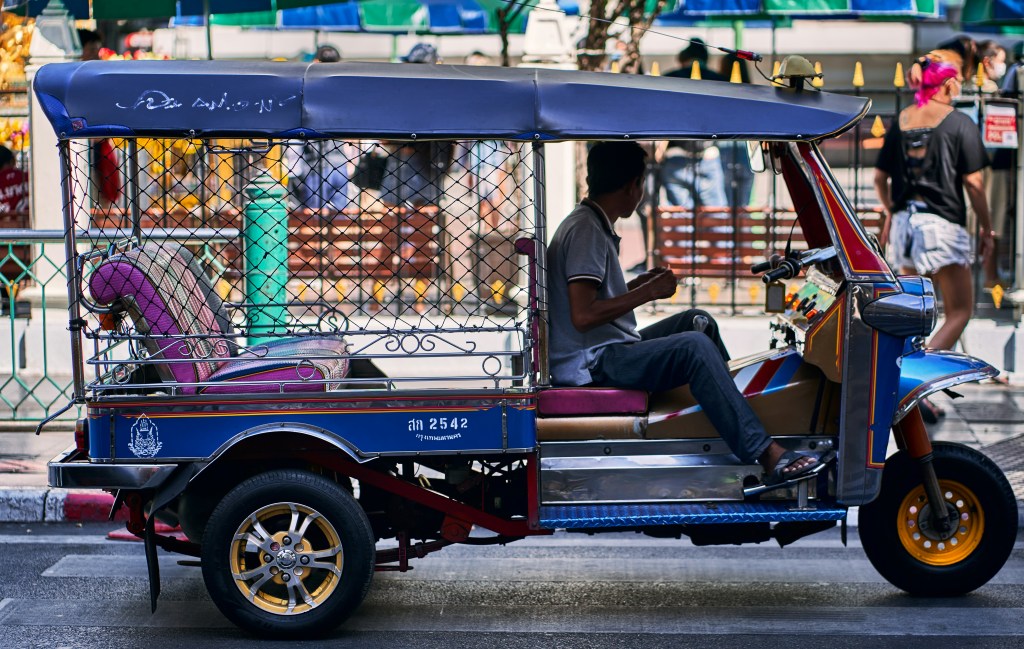
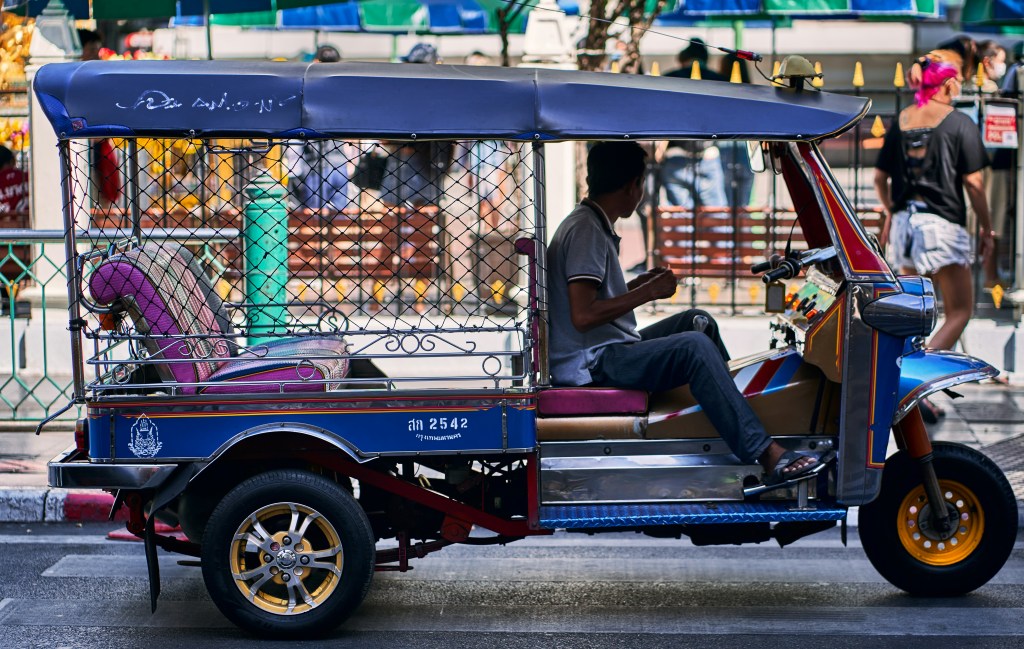
Ah, the tuk-tuk! It’s an iconic way to zip around Thailand, but beware of drivers who lure you in with a bargain fare only to take you on an unwanted shopping spree. These drivers might insist on showing you a “better” destination or a hidden gem, only to steer you towards overpriced shops where they earn a commission.
Tip: Agree on the fare before you hop in and avoid drivers who refuse to use the meter.
3. The Jet Ski Juggle
Picture yourself on a sun-drenched beach in Pattaya or Phuket, renting a jet ski for a thrilling ride. But beware—some rental operators might try to charge you for damages that weren’t your fault or inflate repair costs. They might also rent out faulty equipment that leads to accidents.
Tip: Inspect the jet ski thoroughly before renting and take photos of any existing damage. Ensure you understand all terms and conditions before paying.
4. The Crafty Taxi Con
Taxi scams are prevalent, especially from the airport. Some drivers may refuse to use the meter and demand a high flat rate, or take longer routes to inflate the fare. Be cautious of taxis that seem to have hidden fees or additional charges for luggage and air conditioning.
Tip: Always insist on using the meter or use ride-sharing apps that offer fixed prices. Research your route beforehand to avoid being taken for a ride.
5. The Nightlife Nonsense
Enjoying Thailand’s vibrant nightlife? Be careful not to fall for inflated drink prices or shady bar scams. Some venues might overcharge for drinks or stage fake police raids to extort money from patrons. And don’t forget—pickpocketing is a real concern in crowded areas.
Tip: Check drink prices before ordering and keep a close eye on your belongings. If a police raid seems suspicious, ask for official identification.
6. The Khlong Con
Exploring Bangkok’s canals? Watch out for the Khlong scam. Boat drivers may offer you a tour, only to make multiple stops at commission-based shops. At the end of the tour, they might demand a far higher fee than initially agreed upon.
Tip: Know the average rates for boat tours before you embark and agree on the price upfront.
7. The “Attraction Closed” Ruse
Some tour guides and tuk-tuk drivers might tell you your desired attraction is closed and offer to take you to an “alternative” location—often a commission-based store or overpriced shop.
Tip: Verify the status of attractions beforehand and be cautious of anyone who seems too eager to take you elsewhere.
8. The Pickpocket Plot
In crowded tourist hotspots, pickpockets are on the prowl. They might create distractions or work in groups to snatch your valuables. Markets, temples, and transport hubs are common targets.
Tip: Keep your belongings secure and stay vigilant, especially in crowded areas.
9. The Tailor’s Trick
Tailor scams are prevalent in tourist-heavy areas like Bangkok and Pattaya. Some tailors might use low-quality fabrics while charging premium prices or promise quick delivery and fail to meet deadlines.
Tip: Research tailors thoroughly and inspect fabric quality before committing to any purchase.
10. The Fake Tourism Authority
Scammers posing as tourism officials or tourist police might approach you, claiming you’ve broken a law or have expired documents. They’ll demand cash to avoid trouble or resolve the supposed issue.
Tip: Always ask for official identification and avoid handing over money without verifying the person’s credentials.
Stay Smart and Stay Safe
Thailand’s rich culture and beautiful landscapes are waiting to be enjoyed. By staying informed and cautious, you can ensure that your trip is as delightful as it should be. Remember, most scams can be avoided with a little awareness and preparation. So pack your bags, keep these tips in mind, and get ready for an unforgettable adventure in the Land of Smiles!
Check out our guide on legal help in Thailand if you find yourself scammed and need help – Legal Guide


 Thai Nomad Network
Leave a comment