
Thailand is a land of vibrant cities, stunning beaches, and picturesque landscapes. Whether you’re navigating the bustling streets of Bangkok, soaking up the sun on a southern island, or trekking through northern mountains, getting around can be part of the adventure. Here’s a guide to the best ways to get around Thailand, including some local gems like the Baht bus, the convenience of Grab, and the efficiency of Bangkok’s BTS.
1. The Baht Bus: A Local Favorite
What Is It? The Baht bus, also known as a songthaew, is a type of shared taxi that’s incredibly popular in Thailand. These converted pickup trucks have bench seating in the back and operate on fixed routes. They’re named after the Thai currency, the baht, as passengers pay a flat fare for their ride.
Pros:
- Cost-Effective: Fares are usually very affordable, making it a great budget option.
- Convenient: They run frequently and cover many areas, especially in popular tourist spots like Pattaya and Phuket.
Cons:
- Limited Comfort: The seating can be cramped, and air conditioning is often minimal.
- Fixed Routes: Routes can be confusing for first-timers, and stops might not be very well marked.
Tip: To use a Baht bus, simply flag one down, hop in, and pay your fare upon arrival. It’s a fun and local way to get around.
2. Grab: Your Handy Ride-Sharing App
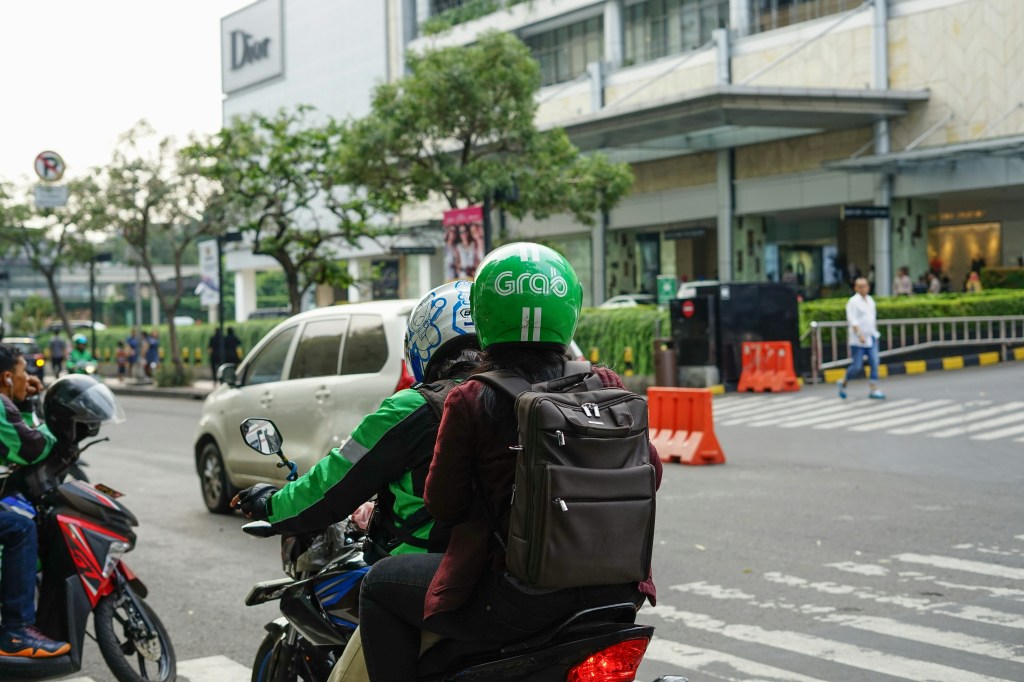
What Is It? Grab is Southeast Asia’s answer to Uber and Lyft, offering a range of ride options from budget-friendly cars to luxury rides. The app is user-friendly and available in most major Thai cities.
Pros:
- Convenience: Book a ride from your smartphone without needing to negotiate fares or worry about language barriers.
- Transparency: The app shows you the fare estimate and driver details, so you know what to expect.
Cons:
- Surge Pricing: During peak hours, fares can increase significantly.
- Availability: In rural areas or smaller towns, Grab might not be as accessible.
Tip: Download the Grab app before your trip and familiarize yourself with its features. It’s particularly useful in Bangkok and other large cities.
3. BTS Skytrain: Bangkok’s Elevated Transit
What Is It? The BTS Skytrain is Bangkok’s elevated rail system, offering a fast and efficient way to navigate the city. It connects many of Bangkok’s key areas, including shopping districts, business zones, and popular tourist spots.
Pros:
- Fast and Reliable: Avoid Bangkok’s notorious traffic jams and get to your destination quickly.
- Clean and Modern: The trains are well-maintained and offer a comfortable ride.
Cons:
- Limited Coverage: While it covers many key areas, you might need to transfer to other modes of transport for some destinations.
- Crowded: It can get packed during rush hours, so plan accordingly.
Tip: Purchase a Rabbit Card for seamless travel on the BTS. It’s a prepaid card that you can top up and use to avoid buying single tickets.
4. Tuk-Tuks: A Fun Way to Explore
What Are They? Tuk-tuks are colorful, three-wheeled motorized vehicles that offer an open-air way to explore cities. They’re especially popular with tourists for short trips and sightseeing.
Pros:
- Unique Experience: Riding in a tuk-tuk is a quintessential Thai experience and offers a great view of the city.
- Flexible: Tuk-tuk drivers are often willing to take you directly to your destination.
Cons:
- Price Negotiation: Fares are usually negotiable, so make sure to agree on a price before starting your ride.
- Not Ideal for Long Distances: They’re best for short trips due to limited comfort and space.
Tip: Always negotiate the fare before getting in and make sure the driver is clear on your destination.
5. Rental Motorbikes: Freedom on Two Wheels
What Are They? Renting a motorbike is a popular option for exploring at your own pace, especially in places like Chiang Mai or Phuket.
Pros:
- Freedom: Explore off-the-beaten-path areas and enjoy the flexibility to stop wherever you want.
- Cost-Effective: Often cheaper than other forms of transportation.
Cons:
- Safety Risks: Traffic can be chaotic, and accidents are a risk. Always wear a helmet and ensure your bike is in good condition.
- License Required: You’ll need a valid motorcycle license to rent.
Tip: Always check the bike’s condition before renting and make sure you’re comfortable with local driving conditions.
6. Ferries and Boats: Island Hopping Made Easy
What Are They? Ferries and boats are essential for traveling between Thailand’s islands and coastal areas.
Pros:
- Scenic: Enjoy beautiful views of the sea and islands.
- Access: Connects you to popular islands like Koh Samui, Koh Phi Phi, and more.
Cons:
- Weather Dependent: Service can be affected by weather conditions, especially during the rainy season.
- Comfort Varies: Some ferries can be crowded or less comfortable.
Tip: Book tickets in advance, especially during peak travel seasons, and check schedules for seasonal changes.
7. Buses: Affordable and Extensive
What Are They? Buses are a popular choice for both city travel and long-distance journeys. They offer a range of options from basic to luxury.
Pros:
- Wide Network: Covers many areas and routes across Thailand.
- Affordable: A cost-effective option for budget travelers.
Cons:
- Comfort Levels: Can vary, with long-distance buses often more comfortable than local ones.
- Traffic: Can be slow, especially in busy cities.
Tip: For long-distance travel, consider air-conditioned buses for added comfort.
Conclusion
Thailand offers a variety of transportation options to suit every type of traveler. Whether you’re zipping around Bangkok on the BTS, haggling for a tuk-tuk fare, or enjoying the sea breeze on a ferry, there’s a method of getting around that will fit your needs. By combining these options, you can make the most of your Thai adventure and navigate the country with ease and enjoyment. Happy travels!

 Thai Nomad Network
Leave a comment