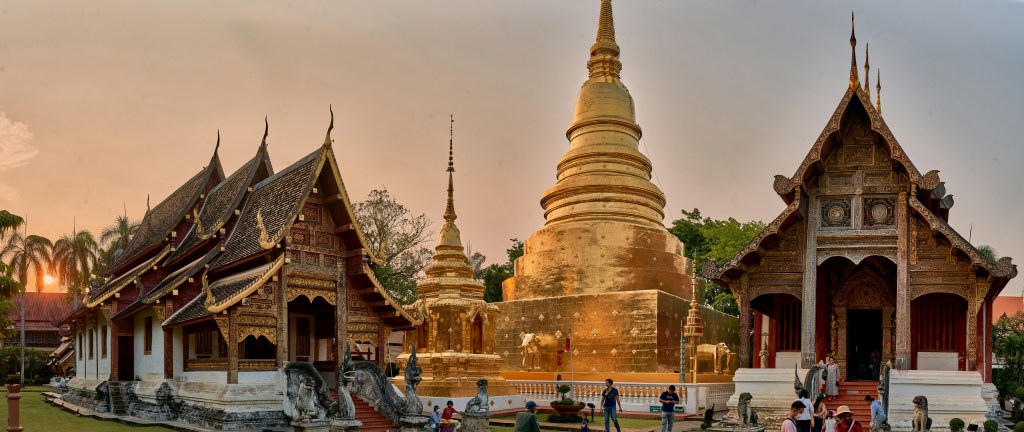
Chiang Mai, the cultural heart of northern Thailand, is known for its beautiful temples, lush mountains, and vibrant festivals. But in recent months, the city has faced a series of challenges that have significantly affected its tourism industry. From devastating floods to lingering economic concerns, Chiang Mai’s low season has been particularly tough for both local businesses and travelers.
Flooding Brings Tourism to a Halt
Recent floods have wreaked havoc across Chiang Mai, disrupting the city’s infrastructure and dampening tourist enthusiasm. The floods, triggered by heavy monsoon rains, have caused widespread damage to roads, homes, and local businesses. Tourists who had planned to visit the city during the low season have canceled their trips due to safety concerns, further straining an already struggling tourism industry.
Hotel Occupancy Plummets
Before the floods, Chiang Mai had already been facing a slow season, with fewer tourists visiting due to a variety of factors, including the aftermath of the smog season earlier in the year. The arrival of the floods compounded this problem, resulting in a steep decline in bookings. Hotel occupancy rates have dropped to an average of just 50%, far below the typical rates seen during high season. Many hotels are left with empty rooms, as tourists either delay their travel plans or opt for other destinations within Thailand.
Domestic Travel Challenges
Even Thai tourists, who might otherwise travel to Chiang Mai during the low season, have been reluctant to visit due to a combination of high domestic airline fares and tightened personal budgets. With inflation and economic concerns affecting households across Thailand, many Thais are choosing to save money rather than spend on vacations, especially when flights to Chiang Mai are priced at a premium.
This reluctance has left the city facing an uphill battle to attract tourists. While Chiang Mai is known for its affordability compared to other parts of Thailand, the cost of getting there, coupled with concerns over flooding and damaged infrastructure, has led to a sharp decline in domestic tourism.
The Smog Season’s Lingering Effects
Chiang Mai had already faced challenges earlier in the year with the notorious “smog season,” which occurs annually from February to April. During this time, agricultural burning and air pollution result in dangerous levels of air quality, deterring tourists who prioritize outdoor activities and health-conscious travel. The aftermath of the smog season lingered into the low season, and with the added impact of the floods, the city’s tourism sector has been hit by back-to-back setbacks.
A Glimmer of Hope: Direct Flights from China and Malaysia
Despite these challenges, Chiang Mai is working hard to boost tourism and restore confidence among travelers. A recent development is the introduction of direct flights from China and Malaysia. These new routes are expected to make it easier for international tourists to visit Chiang Mai, especially during key travel periods like China’s Golden Week.
What Is Golden Week?
Golden Week is a week-long national holiday in China that typically occurs in early October. It’s one of the busiest travel periods for Chinese tourists, as millions take advantage of time off to explore domestic and international destinations. This holiday is seen as a significant opportunity for Chiang Mai, which has long been a popular destination for Chinese tourists due to its rich culture, scenic beauty, and proximity to major Chinese cities.
The hope is that the new direct flights from China will encourage a surge in visitors during Golden Week, helping to offset the slow tourist numbers caused by the floods and economic uncertainties. Likewise, direct flights from Malaysia provide an easier gateway for Southeast Asian tourists, who might otherwise find Chiang Mai a difficult destination to reach.
Looking Ahead
While the floods have undoubtedly caused setbacks for Chiang Mai’s tourism industry, the city remains resilient. Local businesses, tour operators, and hotels are preparing to welcome back visitors as floodwaters recede and the city works to repair damaged infrastructure. Chiang Mai’s rich cultural heritage, stunning landscapes, and new direct flight routes offer hope for a rebound in tourism during Golden Week and beyond.
For travelers considering a visit to Chiang Mai, now may be a great time to take advantage of lower occupancy rates and a quieter city, while also supporting local businesses in their recovery efforts. By offering a mix of cultural attractions, natural beauty, and easy access from key international hubs, Chiang Mai remains a destination worth exploring—despite the challenges it currently faces.

 Thai Nomad Network
Leave a comment