
Living or traveling in Thailand comes with its unique set of challenges and legal considerations. Whether you’re facing legal issues, looking to buy property, or dealing with visa matters, knowing where to turn for help can make all the difference. Here’s a comprehensive guide on seeking legal assistance in Thailand, including where to find your embassy in Bangkok and understanding the legal landscape.
Embassy Support in Bangkok
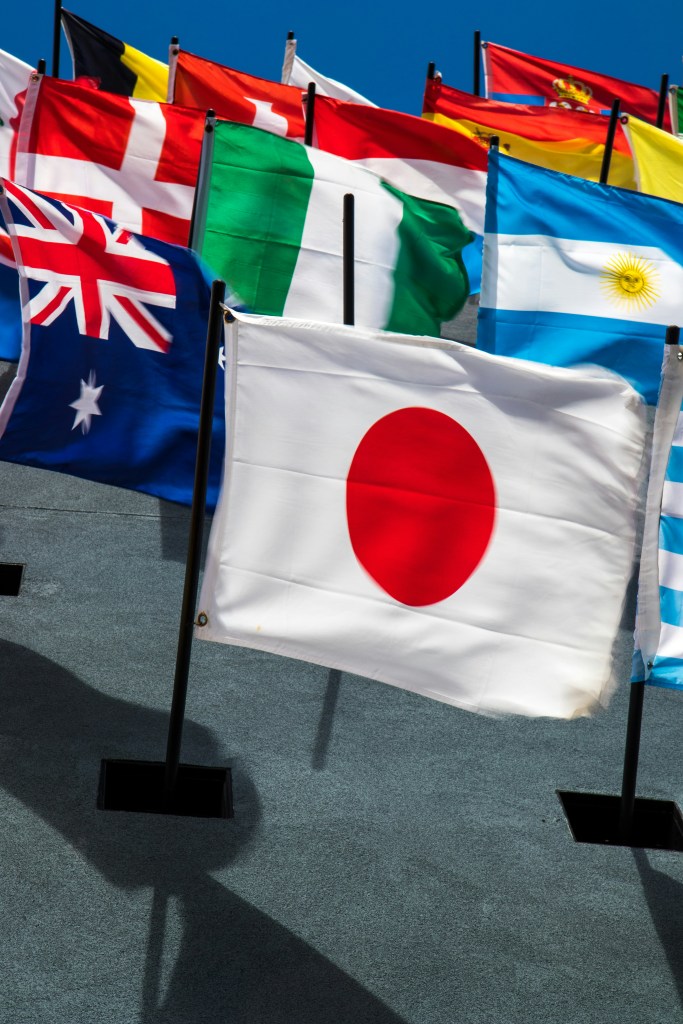
If you find yourself in a legal predicament or need assistance while in Thailand, contacting your embassy can be a crucial first step. Here are the main embassies in Bangkok that offer support to their citizens:
- British Embassy (UK): Located at AIA Sathorn Tower, Floor 12 A 11/1 S Sathon Rd, Sathon, Bangkok 10120, Thailand. The British Embassy can assist with a range of issues including legal aid, passport services, and emergency assistance.
- Australian Embassy: Situated at 181 Witthayu Rd, Lumphini, Pathum Wan, Bangkok 10330, Thailand. The Australian Embassy provides support with legal issues, consular services, and can help you navigate local laws.
- U.S. Embassy: Found at 95 Witthayu Rd, Lumphini, Pathum Wan, Bangkok 10330, Thailand. The U.S. Embassy offers assistance with legal matters, visas, and other consular services.
These embassies are equipped to provide guidance and support but may not offer direct legal representation.
Understanding Thai Laws
Thailand’s legal system differs significantly from what you might be accustomed to in the Western world. For instance, Thailand has strict laws on public conduct, with offenses such as disrespecting the monarchy or public displays of affection potentially resulting in severe penalties. Drug laws are stringent, with even small amounts of illegal substances leading to serious consequences. Additionally, Thailand operates under a civil law system influenced by the European model, unlike the common law system used in countries like the UK and the USA.
For more information read our legal guide!
Property Ownership for Foreigners
Foreign property ownership in Thailand is subject to specific regulations. Generally, foreigners cannot own land directly, but there are legal avenues for property investment:
- Condominium Ownership: Foreigners can own up to 49% of the total area of a condominium building. This is one of the most straightforward ways for foreigners to invest in property.
- Leasehold Agreements: Foreigners can lease land or property for up to 30 years, with the possibility of renewal. This is a common method for securing long-term use of property without direct ownership.
- Thai Company Ownership: Foreigners may set up a Thai company to hold property, but this requires careful structuring to comply with Thai laws and regulations.
For expert assistance in navigating these legal complexities, Thai Legal Protection is a highly recommended firm. They offer comprehensive services for property purchases, marriages, divorces, visa issues, and more. Their experienced team can help you ensure that all legal aspects are handled correctly, providing peace of mind in your transactions and legal matters. Learn more about their services at Thai Legal Protection.
Understanding the legal landscape in Thailand and knowing where to seek help is crucial for a smooth and successful experience in the country. Whether you need assistance from your embassy, guidance on property ownership, or professional legal support, being informed and prepared can help you navigate your time in Thailand with confidence.


Leave a Reply